by MathPickle | Jan 11, 2017 |
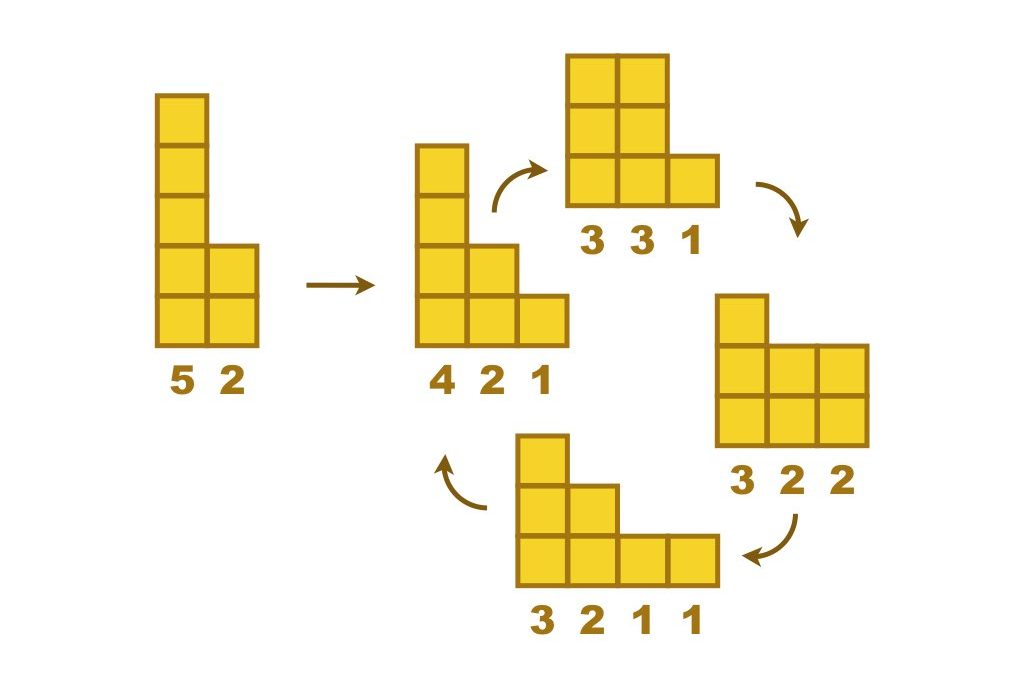
King Kong rearranges the city skyline. The skyscrapers create interesting patterns even though they are generated by a simple algorithm. Let’s look at an example if he starts with 5:2 skyscrapers. The algorithm: King Kong removes the top floor from every...
by MathPickle | Nov 14, 2016 |
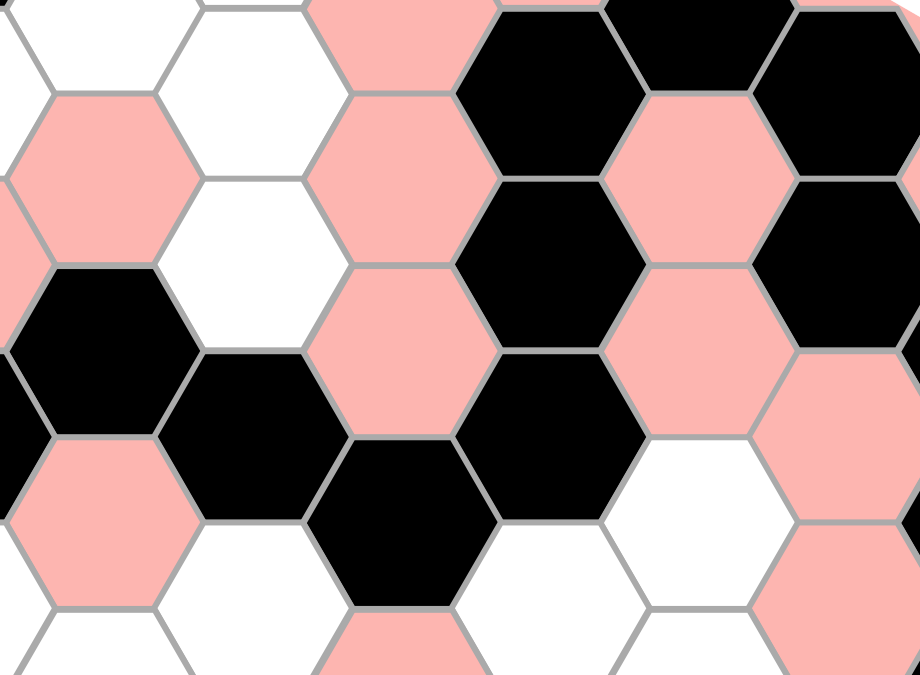
Hex (Piet Hein, 1942) I’ve been using a small variant of hex in the age 5 to 7 classroom for several years. Apart from the smaller size, the only other innovation is to insist that the first player plays on the perimeter on their first move. Without a rule like...
by MathPickle | Nov 1, 2016 |
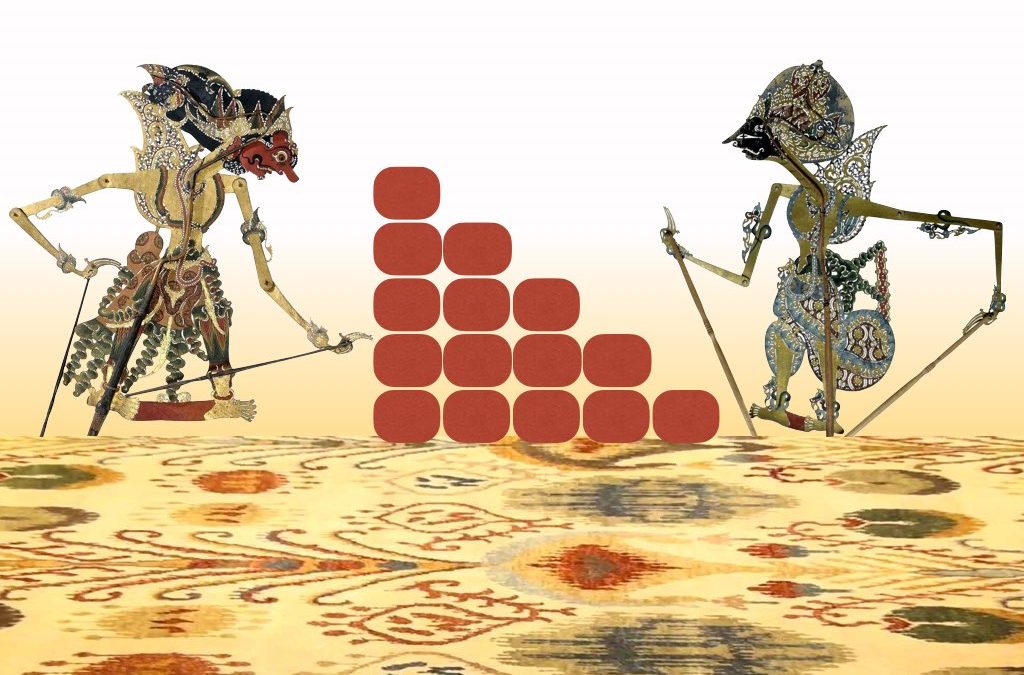
Jayadratha (जयद्रथ), the envious tyrant of Sindhu, was reclining on his fifteen pillows, trying to get comfortable – and failing. He suddenly realized the reason… The stacks of pillows needed to decrease in height from left to right. This was easy…...

by MathPickle | Oct 8, 2016 |
Celtic Counting requires students to trace an under and over pattern – counting the Celtic loops. How many loops exist in this knot? There are two. How many loops does this knot have? There are three. The following slides have larger knots, but students age 6+...
by MathPickle | Jun 21, 2016 |
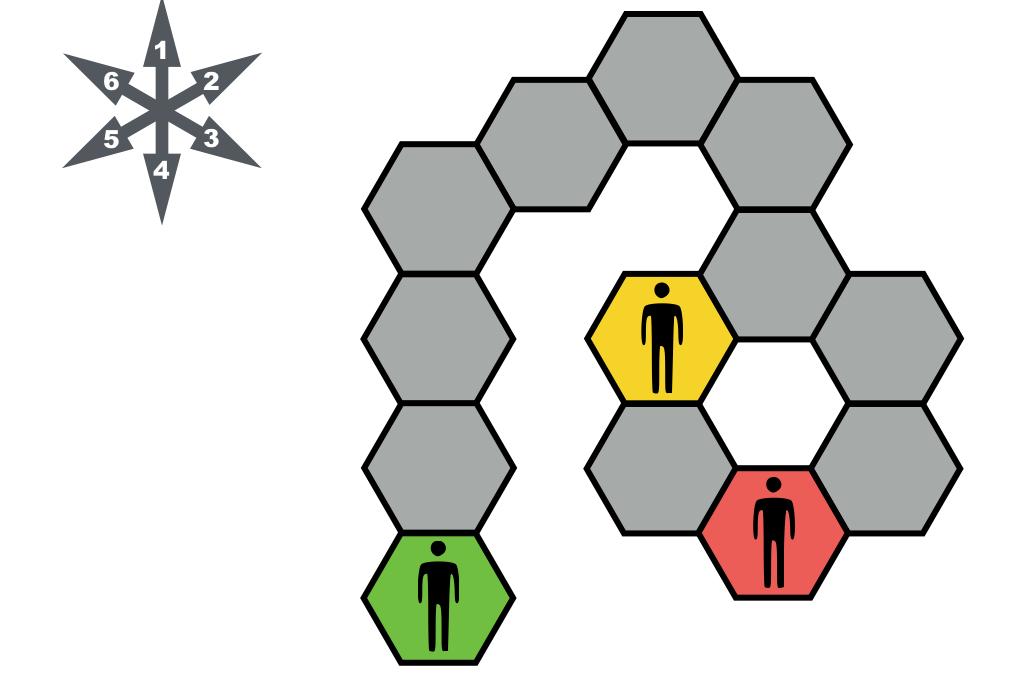
Richard Smalley was awarded the Nobel prize in Chemistry for the discovery that he could make a very very small soccer ball out of Carbon atoms. In 2005 he suddenly began to shrink. He ended up so small that he could bounce on the little trampolines that make...
